
You're standing in the grocery aisle, staring at milk alternatives. Your stomach grumbles just thinking about that morning latte. Last week's ice cream disaster still haunts you. Living with lactose intolerance feels like navigating a dietary minefield, but here's the truth: you don't have to sacrifice nutrition or flavour.
A balanced diet for lactose intolerance isn't about endless restrictions. It's about smart swaps, strategic planning, and understanding what your body actually needs. This guide shows you exactly how to thrive while keeping your gut happy.
Why Nutrition Matters When You're Lactose Intolerant
Your body deserves every essential nutrient, regardless of lactose intolerance. Dairy products traditionally provide calcium, vitamin D, protein, and B vitamins. When you reduce dairy intake, you must replace these nutrients strategically through a balanced diet for lactose intolerance.
Research shows that 68% of the global population experiences some degree of lactose malabsorption. Many people avoid dairy completely without replacing critical nutrients. This creates deficiencies that weaken bones, reduce immunity, and drain energy levels over time.
The good news? A lactose-free balanced diet delivers complete nutrition without digestive drama. You just need the right roadmap.
Foods for Lactose Intolerance That Pack Nutritional Power
Building a complete diet means choosing foods for lactose intolerance that deliver essential nutrients without triggering symptoms. Your plate should include diverse, colorful options that nourish your body completely. Focus on variety to ensure you're meeting all your nutritional needs while keeping digestion comfortable and symptoms at bay.
Calcium-Rich Choices
Your bones need calcium daily. These options support bone health without any lactose concerns whatsoever.
- Fortified plant milks provide 300-450mg of calcium per cup.
- Collard greens offer 268mg of calcium per cooked cup.
- Canned sardines contain 351mg of calcium per serving.
- Chia seeds pack 179mg of calcium per ounce
- Almonds provide 76mg of calcium per ounce
Complete Protein Sources
Protein builds muscle and supports immunity. These foods for lactose intolerance ensure you meet daily protein requirements.
- Tofu provides complete protein (253mg per half cup)
- Salmon offers protein, vitamin D, and omega-3 fatty acids
- Lentils deliver protein, fibre, and iron together
- Quinoa contains all nine essential amino acids
Vitamin D helps your body absorb calcium effectively. Fatty fish like salmon naturally contain vitamin D. Fortified plant milks boost your intake. Just 15 minutes of midday sun exposure helps your body produce vitamin D naturally.
Creating Your Lactose-Free Balanced Diet
Planning meals becomes simple when you understand the framework. A lactose-free balanced diet includes protein, healthy fats, complex carbohydrates, vegetables, and calcium sources at every meal.
Start your day with nutrient-dense options. Overnight oats made with fortified almond milk deliver calcium and fibre. Smoothies blend easily for rushed mornings. Combine frozen berries, fortified soy milk, and almond butter for complete nutrition.
Build lunch and dinner around lean proteins and colourful vegetables. Grilled salmon with quinoa and roasted broccoli checks every nutritional box. Bean-based dishes work beautifully. Black bean tacos provide fibre and nutrients without any dairy.
Ready to enjoy dairy again without the discomfort? Try DIVE Daily Lactase Chewables.
Smart Shopping Strategies: What to Add to Your Cart
Navigate grocery stores confidently by reading labels carefully. Check ingredient lists for hidden lactose. Words like "whey," "curds," and "milk solids" indicate lactose presence. Even seemingly safe products like bread, salad dressings, and protein bars can contain hidden dairy.
Choose fortified plant milks that match dairy's calcium content. Look for options with at least 300mg calcium per serving. Shake containers well before pouring, as calcium settles naturally. Compare labels to find versions without added sugars for optimal health.
Stock your pantry with essential foods for lactose intolerance like canned sardines, fortified cereals, various nuts and seeds, dried beans and lentils, whole grains, and frozen vegetables. Keep leafy greens like kale and spinach on hand. These nutrient-dense options support your balanced diet for lactose intolerance while delivering complete nutrition. Build a rotation of go-to meals using these staples for easy meal planning throughout your week.
The Role of Lactase Enzyme Supplements: How DIVE Daily Works
Sometimes you want that cheese pizza or creamy pasta. Life happens. This is where lactase enzyme supplements can completely transform your experience.
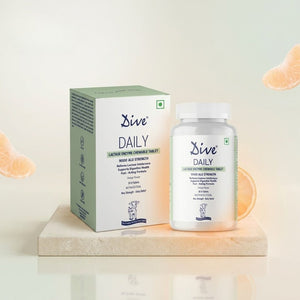
DIVE Daily Lactase Enzyme Chewable Tablets provide the enzyme your body needs to digest lactose effectively. Each orange-flavoured tablet breaks down lactose before it causes discomfort or bloating.
Take one tablet just before eating dairy products. The enzyme works within 15-45 minutes, allowing you to enjoy foods you've been avoiding. DIVE's formula delivers 9000 ALU potency in every chewable. Each tablet is 100% vegetarian, sugar-free, and gluten-free.
Lactase supplements complement your lactose-free balanced diet when you encounter dairy-containing foods. Use them for restaurant meals, social gatherings, or occasional treats. They're particularly helpful for foods with "hidden lactose", like baked goods and sauces.
Why Choose DIVE for Your Digestive Wellness
At DIVE, we understand that living with lactose intolerance shouldn't mean missing out on foods you love. We've created DIVE Daily Lactase Enzyme Chewable Tablets to support your digestive freedom and wellness.
Our formulation combines clinical research with quality ingredients. Each chewable delivers 9000 ALU potency in a delicious orange flavour. We use only vegetarian, sugar-free, gluten-free ingredients manufactured under strict FSSAI standards.
DIVE supports your balanced diet for lactose intolerance by giving you flexibility and choice. Whether you're navigating social situations or enjoying occasional dairy treats, our lactase chewables work when you need them. Visit DIVE Store to discover how our products support your digestive wellness journey.
Discover digestive freedom with DIVE Daily Lactase Enzyme chewables!
Frequently Asked Questions
Q: Can I maintain a balanced diet for lactose intolerance without taking supplements?
Yes, you can achieve a complete diet with calcium-fortified plant milks, leafy greens, and canned fish. However, DIVE lactase supplements provide flexibility for occasional dairy during social situations or when enjoying your favourite foods without digestive discomfort.
Q: What are the best foods for lactose intolerance that provide calcium?
Fortified plant milks, canned sardines with bones, and fortified orange juice deliver the highest calcium. Collard greens, bok choy, and calcium-set tofu also provide excellent amounts. These options easily match dairy's calcium when consumed regularly.
Q: How quickly do DIVE Daily Lactase Chewables work after taking them?
DIVE lactase chewables typically begin working within 15-45 minutes after consumption. Take one tablet just before eating dairy for the best results. The enzyme breaks down lactose effectively, preventing bloating and discomfort while supporting wellness.
Q: Do I need vitamin D supplements if I follow a lactose-free balanced diet?
Many people benefit from vitamin D supplements, especially with limited sun exposure. Consume vitamin D through fatty fish, egg yolks, and fortified foods first. Consult your healthcare provider to determine if supplementation supports your nutritional needs.
Q: Can DIVE's lactase enzymes help me enjoy dairy flexibly?
Absolutely! DIVE Daily Lactase Chewables give you control over when you consume dairy. They allow occasional dairy without symptoms, helping you enjoy social situations and favourite foods stress-free. This flexibility makes dining out enjoyable again.